
That is not always easy
#presenting #community #diversity #culture #audience #safety #talk #justice #truth #honesty #impact
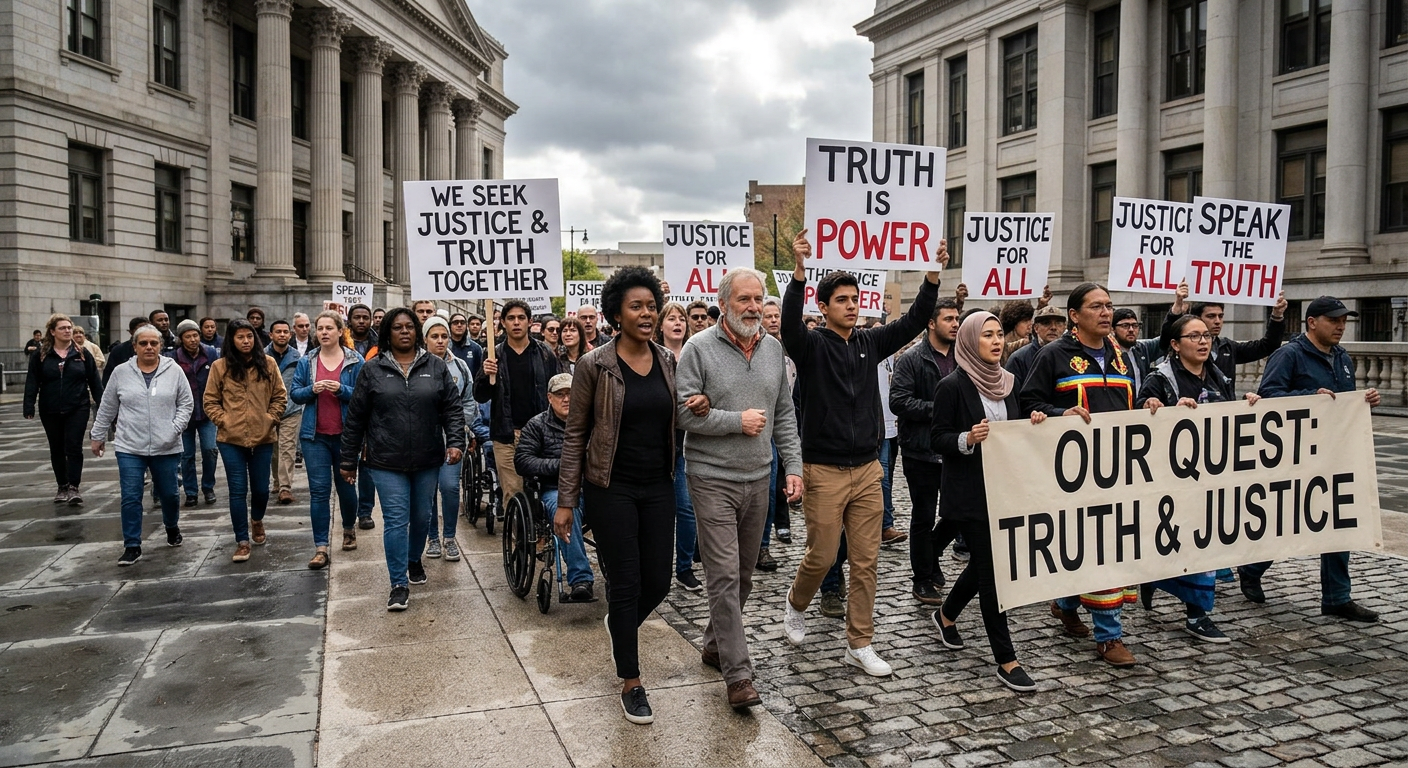
Cultural Truths: Understanding Diversity and Justice
Justice begins in Truth
And truth is not universal. Scientific truths are repeatable and reliable, but cultural truths, and social principles and drivers are much more localised. And contradictions exist everywhere. That is why public talks can be so dangerous! You do not know who is sitting there, ready to be triggered and attack you, the humble speaker.
Values and Culture
You have your values and swim within your culture. You fit locally. Great. Other people have collected separate life experiences and are different. They had other parents, neighbourhoods, levels of wealth, health, opportunities to make progress, access to resources, languages, religious exposure, levels of beauty, density of living, levels of physical exertion, different educational methods of expression, etc.
A simple European example may be based on stereotypes but illustrates the point nicely. In the North of Europe, we would see a company or person being a proper citizen and a person of good standing if they paid their taxes. In the South of Europe, for example in Italy, an emphasis on decency would show up in looking after the elderly in your family and your community. This would often be a non-negotiable.
So far, so good. Two positive behaviours have been noted. So how do Italians and Brits see each other? We can criticise the Southerners for their lack of universal tax paying, and make a dismissive knee jerk judgement (ignoring the facts on the ground). They can criticise us for doing so little for our elderly, seeing them as a burden, and dumping them in horrible old people’s homes, this being a frequent solution in the UK to a challenging situation. We mostly do not live in multi-generational homes in the North of Europe.
We could go into the whys of the two cases and develop an understanding that bolsters respect but for now, you see the point that truth and separate / opposite “normal for here” values exist in both realms.
Applied truth
So a truth, or moral imperative is not universal and can be anchored in place, history and community, and can be radically different from the value norms or norms of behaviour that exist just a few 100 kilometres away.
Justice and intention
Getting back to our topic for today, can we quantify or qualify justice? We can get a little closer to something usable and reliable by looking at intention. Is the principle we are choosing to live by, to do no harm? Are we minimising what our society feels is bad, horrible, cruel or even evil? Do we bring in the oft heard word in modern debate – Fairness?
Honesty
I like one version of this that is so rare today. People owning their position. There is so much manipulation today in words, labels, broadcast positions and the constant and universal criticism of the opposite group, tribe or people. This often REQUIRES the removal of honesty. Beyond the middle, there is cult like adherence to the tribal words and explanations. We see this when we change words to mean their opposite to manipulate the home crowd and to rev them up to hate on the other group. And what makes all this worse is, we are not being honest and about doing this.
Mediation
So how do we deal with the anti-you group in your audience? As a mediator, I often work with challenging individuals or organisations that have done things and think things and believe things that others would not like or agree with. To me we can abandon right and wrong, we can look at the gap between positions and interests and do this as an essential step in enlarging the pool of people that show understanding across difference. The harder to achieve goal here is to have each contributor honestly own the essence of their own values, beliefs and deeds.
Calling out the other
We have reached a nadir of honesty. The price for telling a truth to those in your community but not part of your tribe, has never been higher. And the cost of upsetting, even a single influencer, activist or senior executive can be financially damaging, career ending or reputationally punishing and excluding.
Acknowledging differences and finding commonality
Your next talk may be provocative. It may expose the difference between what is said and what is believed. It may shed light on the gap between the brochure and the reality on the ground. It may reveal hypocrisy, illogic, spin and even evil or revolutionary intent.
An alternative road is to have everyone own what they believe in, and negotiate the differences in good faith. And this being done with courage (up next with the following blog) so that everyone can be held responsible for the implications of what they say, claim and want to happen.
Utilitarian
The most good for the most people. This will not come from manipulation, forced changes in status of successful people or provoking people with a stake in society who have done well.
We need to work from honesty, commonality and creative reconciliation of our differences to reach a strategy that works sustainably for the most, over time and recognises the truths that apply in our own cultures and the different ones that exist in our audiences too.
About the author
Matthew Hill is a presentation skill trainer and interculturalist working with people with a mix of values and a range of locations. Happy to chat…




Leave a Reply